


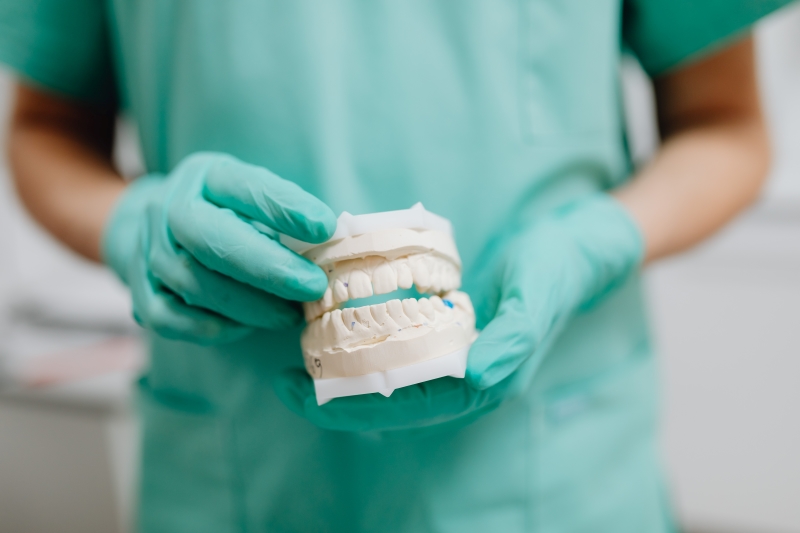
Losing your natural teeth can feel overwhelming. You’re suddenly faced with choices that can impact not just your smile, but your confidence and quality of life. Two of the most common solutions are dental implants and dentures. But how do you know which is right for you?
Let’s break it down in a way that’s easy to understand and gets straight to the point. Whether you’re exploring your options for the first time or reconsidering your current solution, this guide will help you make an informed decision in Corvallis.
What are dental implants?
A tiny titanium post is placed into your jawbone, and over time, it fuses with the bone (a process called osseointegration). This post supports a crown, bridge, or even a full arch of teeth, giving you a permanent, stable solution. It’s the closest thing to having your natural teeth back.
What are dentures?
Dentures are removable prosthetic teeth that sit on top of your gums. They can replace a full set of upper or lower teeth (complete dentures) or just a few missing teeth (partial dentures). While they’ve been around for centuries, modern dentures have improved, but they’re still not without challenges.
A quick comparison: implants vs. dentures
| Feature | Dental Implants | Dentures |
|---|---|---|
| Stability | Fixed, doesn’t shift | Can slip or move |
| Appearance | Natural-looking | May look artificial |
| Comfort | Feels like real teeth | May cause soreness |
| Jawbone Support | Prevents bone loss | Doesn’t stimulate bone |
| Lifespan | 15+ years (often lifelong) | 5–10 years |
| Maintenance | Brush and floss like normal | Soak and clean daily |
| Speaking/Eating | No trouble | May affect clarity and chewing |
Comfort and fit: Which feels more natural?
Dental implants feel just like real teeth because they’re anchored into your jawbone. You won’t worry about them slipping while laughing, talking, or chewing. Dentures, on the other hand, can rub against the gums, cause sore spots, and require adhesives to stay in place.
Eating and speaking with confidence
Implants allow you to eat all your favorite foods, even crunchy apples and chewy steaks! They don’t shift or wobble, so you can bite and chew with ease.
With dentures, certain foods can be off-limits. Speaking may also be more difficult, especially if the dentures are loose or ill-fitting.
Aesthetics: What looks more like real teeth?
Implants are custom-made to match your natural teeth, both in color and shape. Once they’re in, most people can’t tell the difference.
Dentures have come a long way, but they can still look bulky or artificial, especially over time as your jaw changes shape.
Maintenance and daily care
One of the best things about implants? No special maintenance required. You brush, floss, and see your dentist regularly, just like with natural teeth.
Dentures, however, need to be removed nightly, soaked, and carefully cleaned. They’re more prone to plaque buildup, staining, and odor.
Longevity and durability
Dental implants are built to last. With proper care, they can last a lifetime. While the crown may need replacement after 10–15 years, the implant post stays secure.
Dentures generally last 5–10 years before needing to be relined or replaced, especially as your gums and jawbone shrink over time.
Cost comparison: upfront and long-term
Yes, implants cost more upfront. The initial investment in implants pays off over time, with fewer replacements and less ongoing expense.
Dentures may seem more affordable at first, but between re-fittings, adhesives, and replacements, costs add up.
Impact on jawbone and oral health
Here’s something most people don’t realize: your jawbone needs stimulation to stay strong. Natural teeth do this, and so do implants.
Dentures sit on the surface and don’t stimulate the bone, which can lead to bone loss, a sunken facial appearance, and changes in how dentures fit over time.
Surgical vs. non-surgical procedures
Implants require a minor surgical procedure, typically done under local anesthesia. Recovery is relatively quick, and most people return to normal life in a few days.
Dentures, being non-surgical, might seem easier, but they come with more day-to-day hassle and long-term complications.
Lifestyle considerations
If you enjoy an active lifestyle, travel often, or just want the freedom of worry-free eating and smiling, implants are your best bet. No need to carry adhesives, cleaning tablets, or containers.
Dentures require careful daily routines and can be a source of stress in social situations if they slip or cause discomfort.
Who is a good candidate for implants?
Most healthy adults are great candidates for dental implants. If you have good oral hygiene and enough jawbone, you’re likely a match. Even if you’ve experienced bone loss, options like bone grafting can help.
Your dentist can evaluate your unique situation and guide you through the steps.
What makes implants so popular
There’s a reason implants have become the gold standard in tooth replacement. Patients love the freedom, confidence, and natural feel they offer.
Implants don’t just replace teeth; they restore your life. You smile more. Eat better. Speak clearly. And feel like yourself again.
Rediscover your smile at Timberhill Dental

If you’re looking for a solution that’s comfortable, durable, low-maintenance, and incredibly natural-looking, dental implants win. While dentures might work for some, implants offer a superior experience that can truly transform your quality of life.
And here’s the good news: If you’re ready to explore dental implants, you’re already in the right place. At Timberhill Dental, our Corvallis team helps patients regain their smiles with state-of-the-art implant technology and personalized care.
Call us at (541) 754-0144 or contact us online to schedule your dental implant consultation today. Your future smile is waiting!
